



Price :
QTY :
CART TOTALS :
There are items
in your cart
CART TOTALS :
With this product also buy:
Your shopping cart is empty
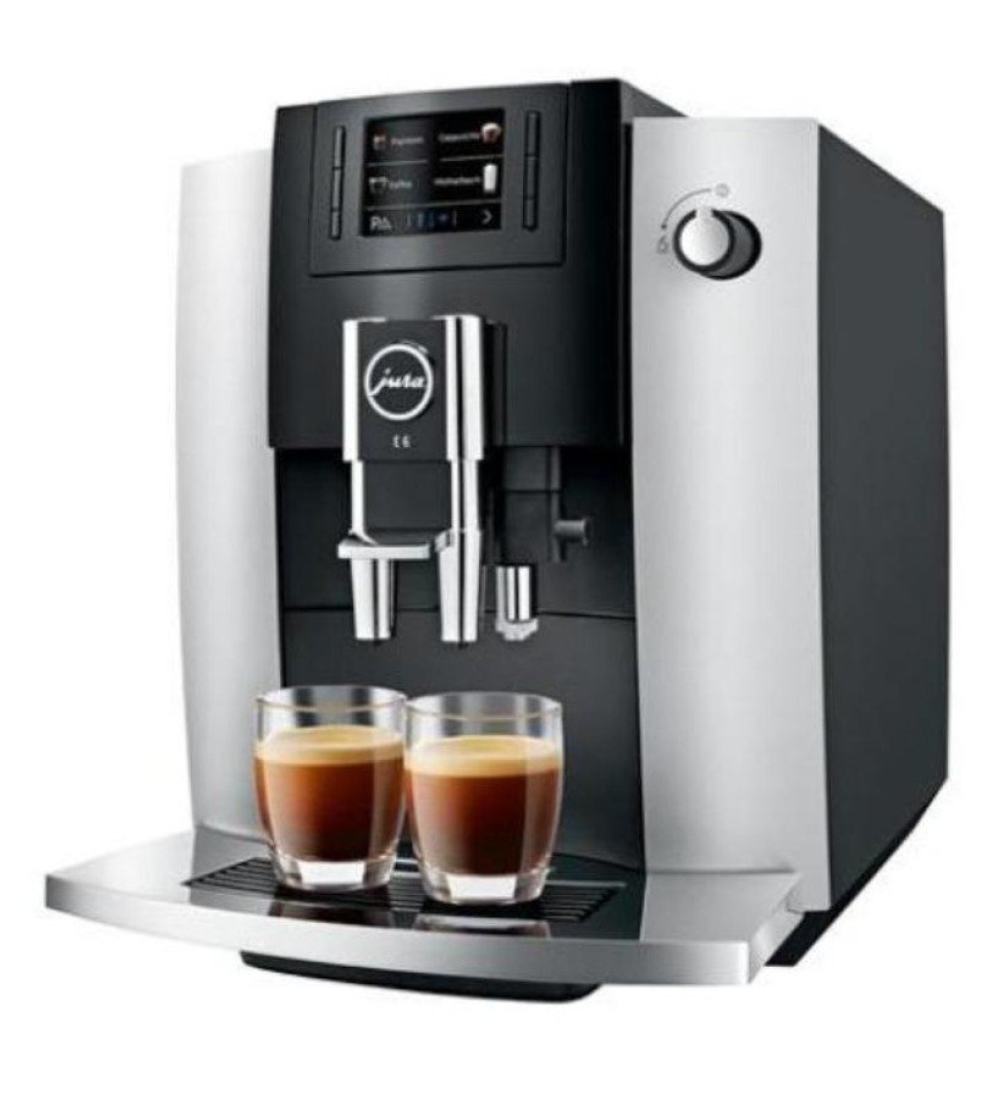
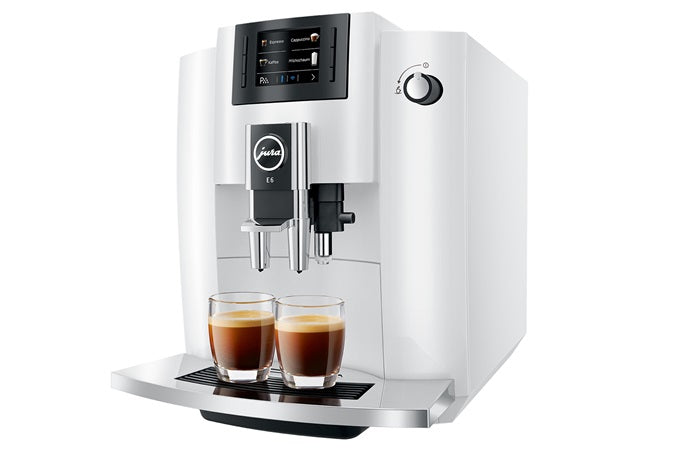
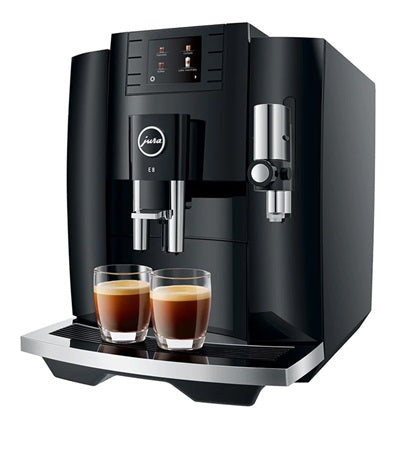
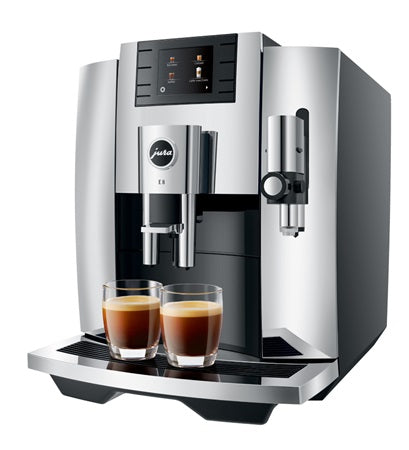
Go to the shop Especially in offices, but also in many households it has become indispensable - and when things have to be done quickly, it is simply unbeatable: the bean to cup machine. And the name says it all: place the cup underneath, press the button and a few seconds later the coffee lands in the cup ready to be enjoyed. And the best thing about it: The next coffee you brew tastes exactly the same.
But behind these supposed advantages lurks a bugbear: the consistently and apparently irreversibly bad coffee. Creepy! Because what many do not know: Even with a bean to cup machine, you can make a multitude of adjustments and in this way personalize the result and turn it into a taste experience. With a few tips and tricks, we'll show you how you can get the most out of the fully automatic coffee machine.
The first decision for or against good coffee is logically made when you buy a bean to cup machine. Every new bean to cup machine has a two-year guarantee, but usually lasts more than five to ten years. So it's an investment that can accompany you into your new decade of life - that adds up to a lot of cups of coffee. So buying a higher-quality machine and then having a significantly better coffee every day, in every cup for years to come, is certainly a good decision - if the budget allows it, of course. There are many good bean to cup machines from good manufacturers. But our clear recommendation is: When choosing the brand, make sure that coffee plays a predominant role in the world of the manufacturer.
The relationship between us as roasters and bean to cup machines could be described as divided: On the one hand, of course, we also love the simplicity of getting a clean espresso at the push of a button, and we recognize the great technological advances made by bean to cup machines in recent years. BUT: In our opinion, outstanding espresso must extract between 25 and 28 seconds - bean to cup machines usually only manage ten to 15 seconds. The result is inevitably a sour, under-extracted espresso.
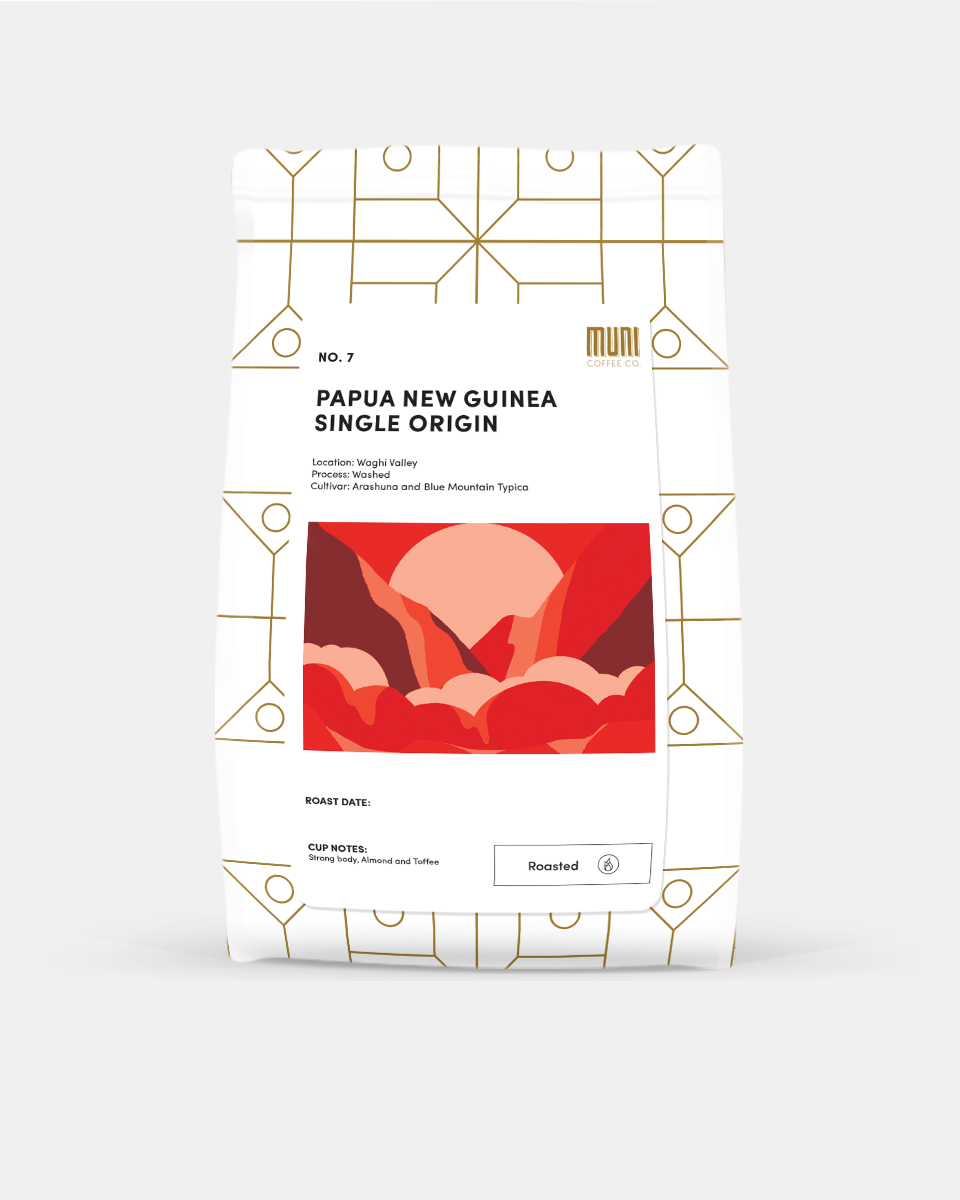
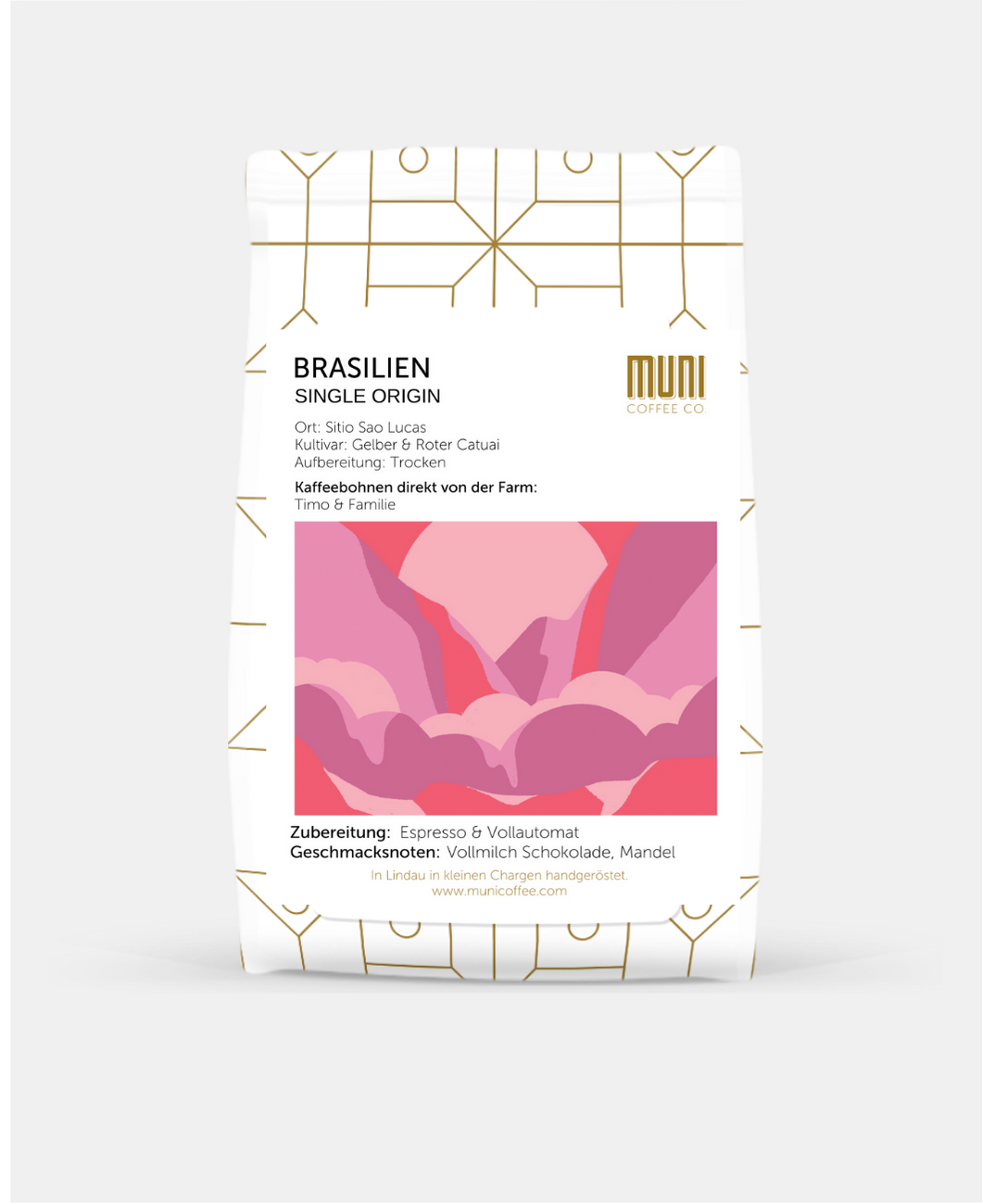
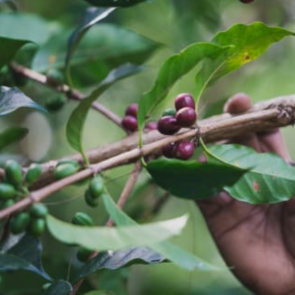
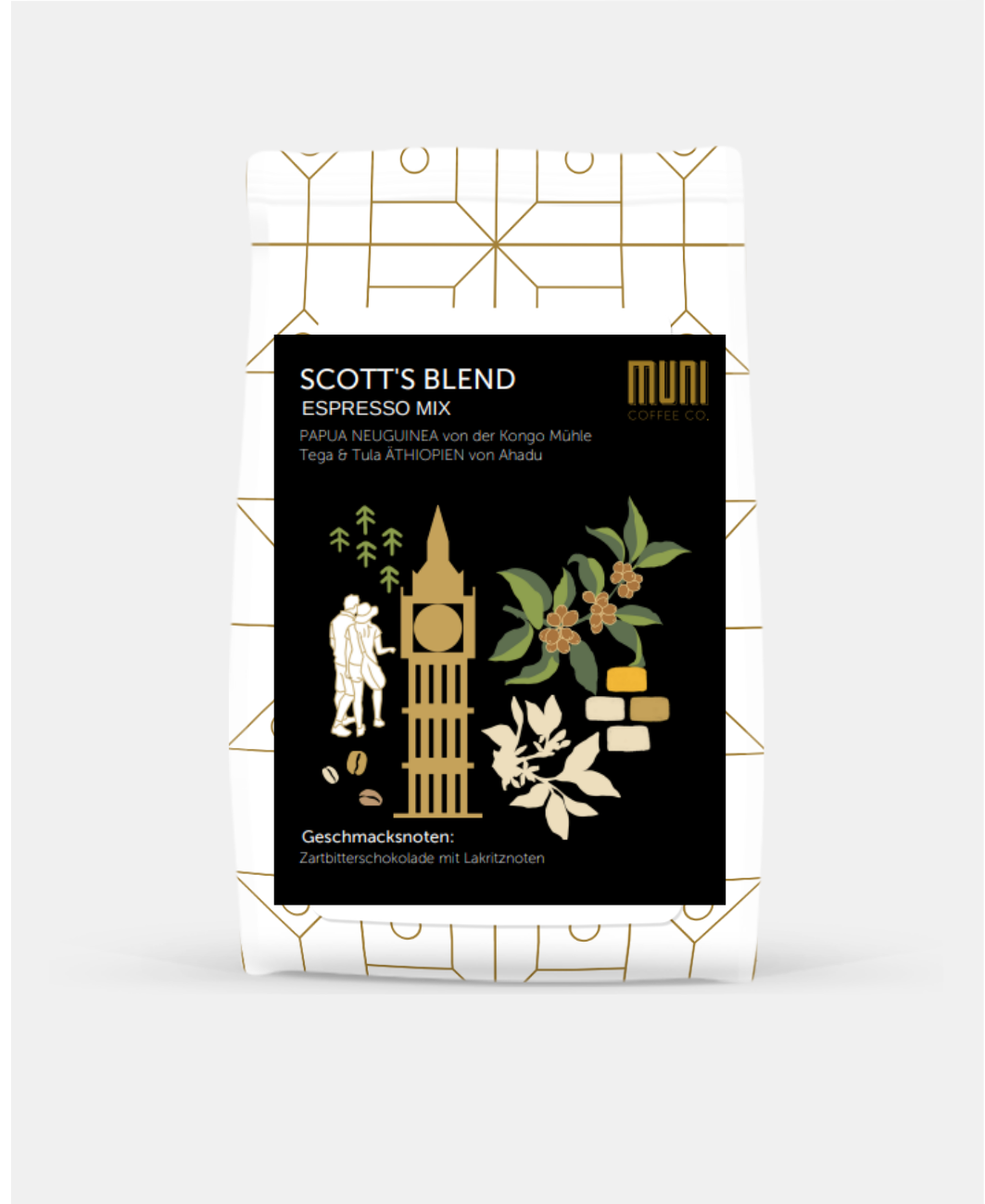
But we have good news for you: You can counteract this by using beans that are naturally low in acid. Specifically, we recommend our Brazilian for mild and our dark Papua New Guinea for a little stronger coffee.
Espresso consists of over 95 percent water. The tap water in Germany, however, is too calcareous almost everywhere, which has two effects: the calcium and other minerals in the lime tend to bind caffeine and other substances that cause a bitter taste. Even the best coffee beans won't help you with unfiltered water. Therefore, if your bean to cup machine does not have a built-in filter, you have to pre-filter the water yourself.
Now comes a truism: coffee is a food. But the consequence is not always considered: If you only inadequately clean your bean to cup machine, or even not at all, mold, calcification and other unsightly foci form quickly, which in the best case hinder the taste of the coffee and in the worst case destroy bean to cup machine. This is especially true if the bean to cup machine supplies milk via a rubber hose - this is a dangerously attractive place for bacteria.
Therefore, there are three basic principles for regular care: Run the cleaning program at least once a day. Clean the milk tube every evening. And last but not least: Descale the machine at least once a month.
We recommend three basic settings: Set the grinder as fine as possible, select the largest possible amount of coffee and the smallest possible amount of water. In this way, you get as close as possible to the ideal espresso that can be prepared with a portafilter machine. From this base you can make finer adjustments, depending on your taste.
Once you have found your unique coffee from the bean to cup machine, one advantage comes into its own: save the settings. In this way you ensure that you have exactly the same coffee taste in every cup.
Bei Mischgetränken aus Kaffee und Milch (bspw. ein Cappuccino oder Latte Macchiato) gilt: Je höher der Fettgehalt der Milch, desto süßer wird das Getränk schmecken. In unserer Rösterei verwenden wir frische, lokale Milch mit einem Fettgehalt von 4,1 Prozent. Wichtig ist hierbei vor allem die Frische: Milch muss immer frisch sein – lasst am besten die Hände von haltbarer Milch, denn der geschmackliche Unterschied ist riesig. Als laktosefreie Alternative empfehlen wir Oatly.
Ein gut gemeinter Rat zum Schluss: Wenn du siehst, dass das Café, in das du gehen möchtest, fettarme, haltbare Milch von einer Discountermarke anbietet – dann renn, so schnell du kannst.